Stefanie Taylor, AI4ALL Mentor and current Mentor Program Lead, and Irina Musuc, AI4ALL Mentor, on how a strengths-based approach helps women in tech recognize their potential and step into leadership.
Written by Irena Tischenko
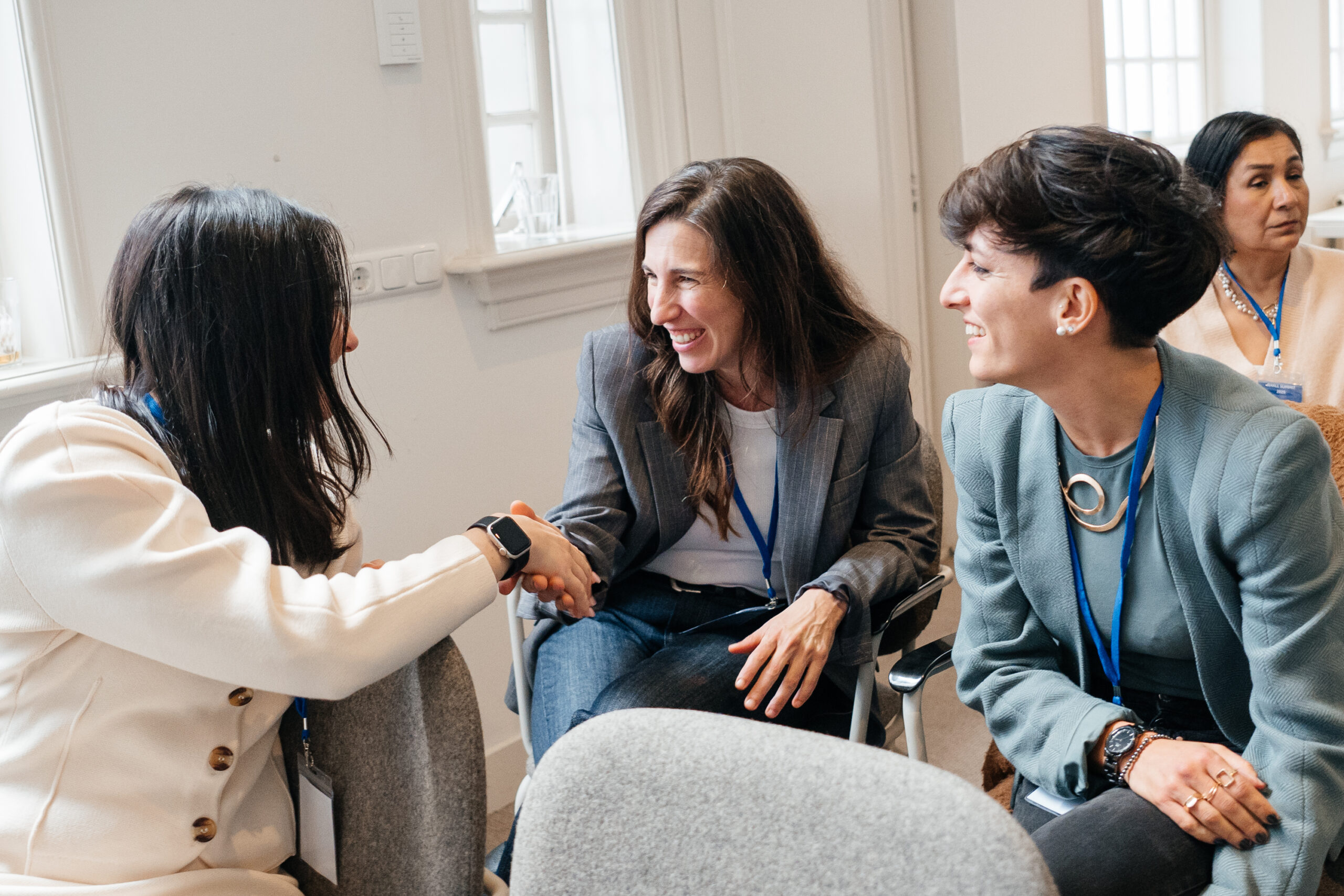
Stefanie: A mentor listens, guides, supports, shares knowledge and expertise, provides feedback, and makes suggestions.
Irina: A mentor’s job is to help the mentee define a clear and realistic goal, identify the path and resources needed to achieve it, and empower and facilitate the mentee’s own insights and growth along the way.
Stefanie: During a mentorship journey, it is important to set goals. It is our responsibility as mentors to help the mentee figure out what they want to achieve. Based on the end goal(s), my suggestion would be to break this down into actionable weekly or perhaps biweekly goals.
Irina: For me, mentorship is a journey from point A to point B. Once we establish where the mentee is now, what is working, what is not, and where they want to be, we break the journey into clear, simple, and achievable steps.
Each week, we reflect on what has happened, what progress has been made, what challenges or obstacles have emerged, and what is still needed. Between sessions, we typically agree on two to three concrete actions for the mentee to take, and then use the next session to review and build on them.
If we encounter stagnation, resistance, self-sabotage, or a missing skill or resource, we explore what is behind it and identify a way forward. My role is not to provide all the answers, but to empower the mentee, facilitate insight, and help them take ownership of their own progress.
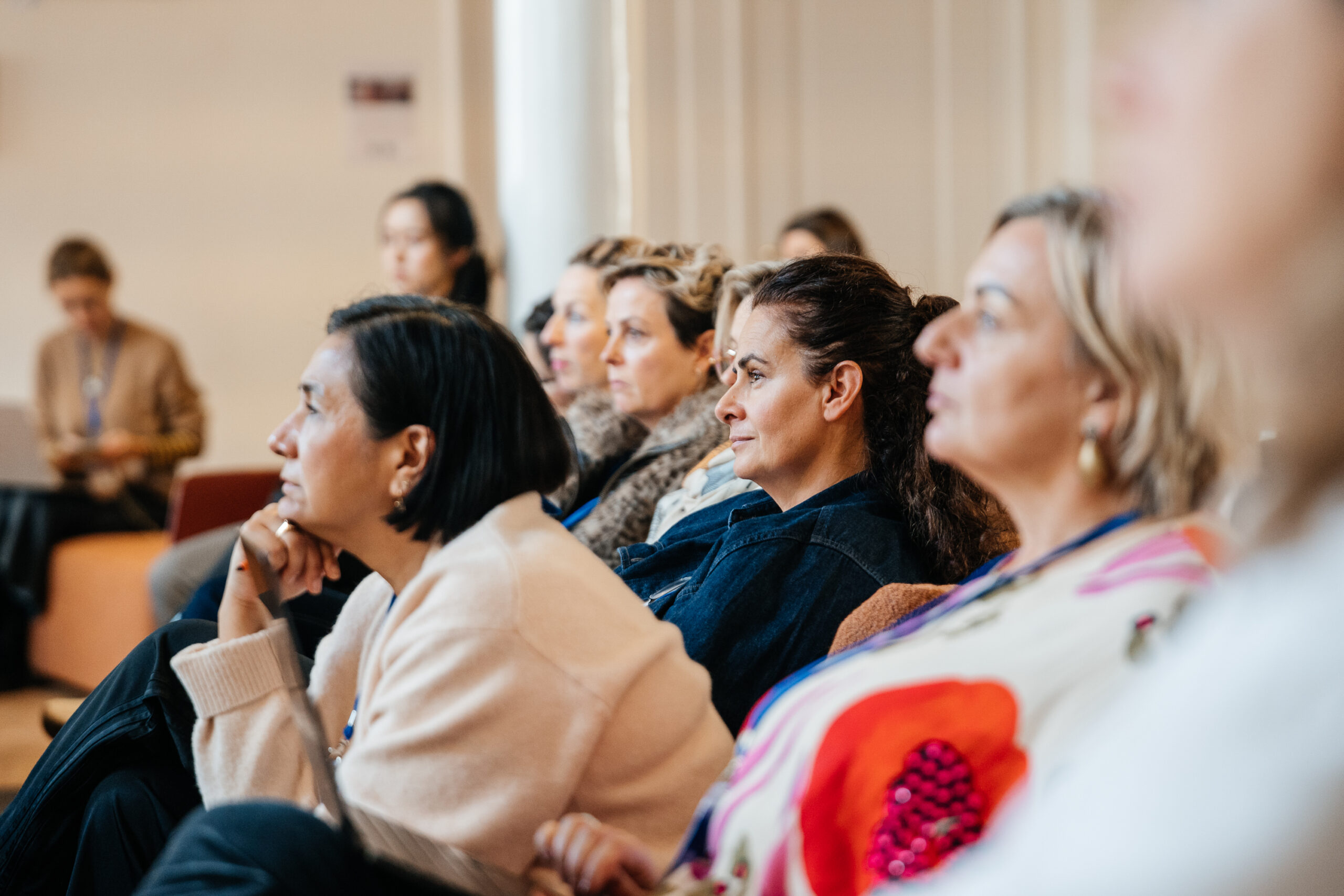
Stefanie: “Strengths-based” means that we focus on the mentee’s talents, hard and soft skills, capabilities, and know-how. Every person, every mentee, is unique in what they bring to the table. Everyone comes with their individual education, upbringing, experience, professional background and values. Our ambition as mentors is to identify these strengths and leverage them so every mentee leaves the program with their own unique set of tools.
Irina: My approach to mentorship is deeply rooted in coaching, so a strengths-based approach comes very naturally to me. It means starting with what already works: identifying the mentee’s strengths, talents, resources, and “zone of genius,” and helping them build on these rather than focusing primarily on their limitations.
My role is to help mentees recognize and trust those strengths, uncover capabilities that may not yet be obvious to them, and develop the confidence and mindset to use them effectively.
Stefanie: Women are still underrepresented in technical roles. On top of that, AI is reshaping the job market. Here are some numbers:
According to Deloitte, only about 27% of the global tech workforce is female.
Software engineering jobs, for example, show about 25% fewer female applicants across junior- and mid-level roles. These numbers decline even further for senior-level roles in ERP and UI/UX design, according to cio.com.
Women hold only 24% of manager roles in STEM and a little over 12% of C-suite positions, according to data from the World Economic Forum.
Mentorship through a program like ours provides guidance and support, particularly in navigating the challenges and needs that come with working in male-dominated industries. Think about navigating bias, combating imposter syndrome, finding work-life balance, and setting boundaries.
Within the program, our mentors can help mentees develop skills or at least provide guidance on where to develop them. We can advise on networking opportunities or help identify opportunities for growth and advancement. Our mentors can most certainly serve as role models, especially when it comes to building and advancing careers, finding one’s unique voice, stepping into new or leadership roles within the tech sector, or starting a business.
Irina: I believe that having a specific niche and context creates greater focus and allows the mentorship to address the particular realities, challenges and opportunities of the participants. Mentoring women in technical fields felt especially aligned with my own sense of mission: empowering women to step into authentic, confident leadership.
Technology, and particularly AI, is one of the fields shaping the future of our world. I believe we need more inspiring, balanced, and values-driven women leaders in this space, and I was very happy to contribute in a meaningful way to that development.
Stefanie: Not all mentees we support are already working with or in AI. Often, they are still on a journey of finding out what AI means to them, personally and professionally. AI is an umbrella term, and as a mentor, I meet them where they are and break that term down. What do they want to do with AI? Do they just want to be able to navigate the landscape? Do they want to use AI tools for their everyday jobs, or are they perhaps building a tool and need advice? Do they want to prompt, code, build an agent, test models, reduce bias, or advocate for sustainable use? So many questions! So many possibilities!
My job as a mentor was successful when I was able to provide clarity and guidance. Even better, when my mentee reaches their goal – the goal that we set at the beginning of our journey together. Keeping the human side of things alive is important to me, and that is what I will always be proud of.
Irina: I worked with one mentee, Catalina, who works in the software solutions industry and leads agile-based implementation. During our mentorship, she was also taking on a leading role in her company’s AI transformation.
What I’m most proud of is not one particular professional achievement, but witnessing the transformation in how she saw herself and took ownership of her career.
Throughout our journey, Catalina became increasingly unapologetic and clear about her purpose, values, mission, and priorities. She actively identified the areas where she wanted to grow and was courageous in exploring the internal patterns that were holding her back. We identified some of her key saboteurs and explored how they were affecting her confidence, leadership, and ability to fully step into her potential.
I was especially proud to see her develop and embrace her own leadership style, rather than trying to fit into someone else’s expectations of what a leader should be.
Towards the end of the program, she created a vision of herself grounded in new mindsets and empowering beliefs. Listening to her describe that future version of herself was genuinely breathtaking. I had goosebumps.
I genuinely enjoyed the mentorship program and particularly appreciated the personalized approach to matching mentors and mentees. Having the opportunity to meet potential matches, have a real conversation, and see whether there was a natural connection and “click” made a significant difference.
Ready for your next chapter in AI and tech?
AI4ALL Mentor Program is opening a new round in October!
Whether you’re looking for a new role, changing careers from non-tech to tech, exploring your next step within the tech industry, or ready to step into leadership, you don’t have to figure it all out alone.
Join our Mentor Program as a mentee to get support, motivation, and a clear plan for your next step. Or become a mentor and help another woman recognise her potential and move forward in her career.
Stefanie Taylor is an International Marketing Director based in Amsterdam, and a member of EWOB, the D2 Collective, Upmarqt, and WiTNL.
Her work spans international marketing strategy and community-building for women in business and tech.
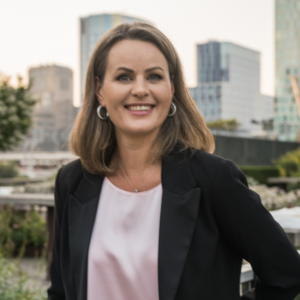
Irina Musuc is a career and life coach based in the Netherlands, working with IMPACT Group.
She specializes in helping expats and professionals navigate career transitions, build confidence, and leverage their strengths.