Stay up to date with our events

AI4ALL Blog

Dear Ada: A Letter to My Daughter About Growing Up With AI

My first work trip since founding AI4ALL took me to the mountains of Romania and away from my two-year-old. This is what I learned there, written for her twelfth birthday.

Written by Oliviana Bailey, Co-CEO & Co-Founder of AI4ALL

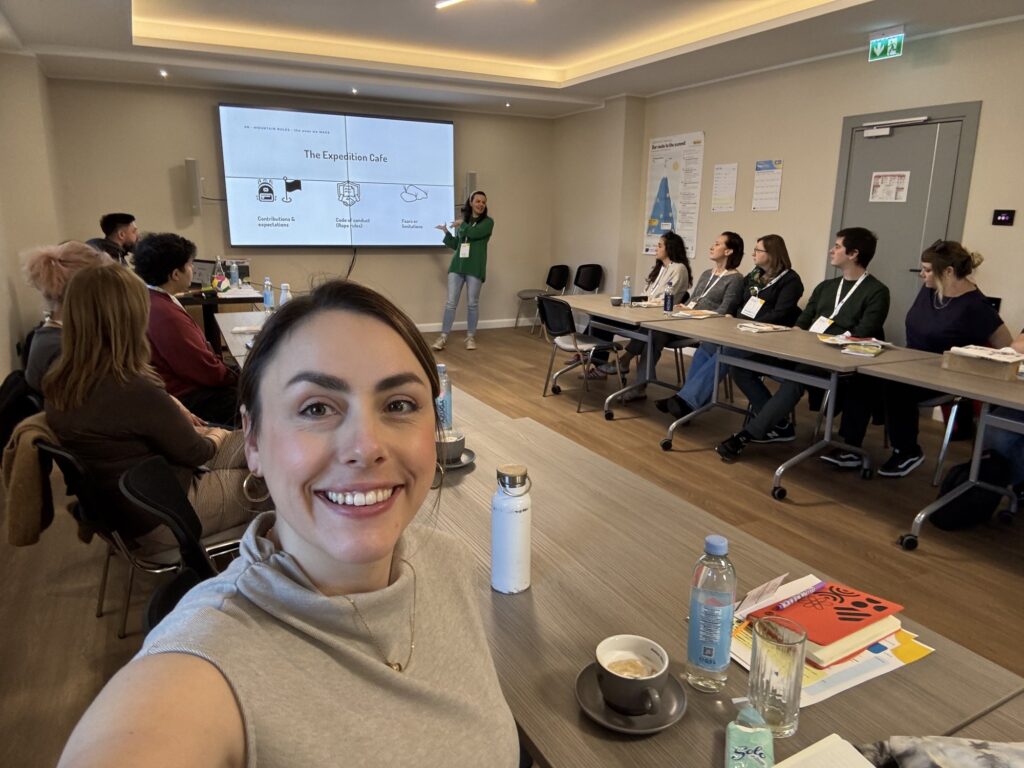
Oliviana Bailey smiling in the training room at the AI Intersections Lab in Azuga, Romania

In November 2026 I spent nine days in Azuga, Romania, at the AI Intersections Lab, an Erasmus+ training course where youth workers from across Europe explored what AI means for young people. It was my first work trip since co-founding AI4ALL, and the longest I had ever been away from my daughter, Ada, who had just turned two.

Instead of a trip recap, I wrote her a letter to open on her twelfth birthday. You can read it below, or press play and listen to me read it.

Listen to the letter (5 min)

Dear Ada (Open When You're 12)

Happy birthday, Ada.

I’m writing this letter to you exactly one week after your second birthday. Today, you’ve turned twelve.

The day after you turned two, I left for a work trip: nine days in Azuga, a small mountain town in Romania, at an Erasmus+ training called AI Intersections Lab. It was my first work trip since starting AI4ALL and the longest I’d ever been away from you.

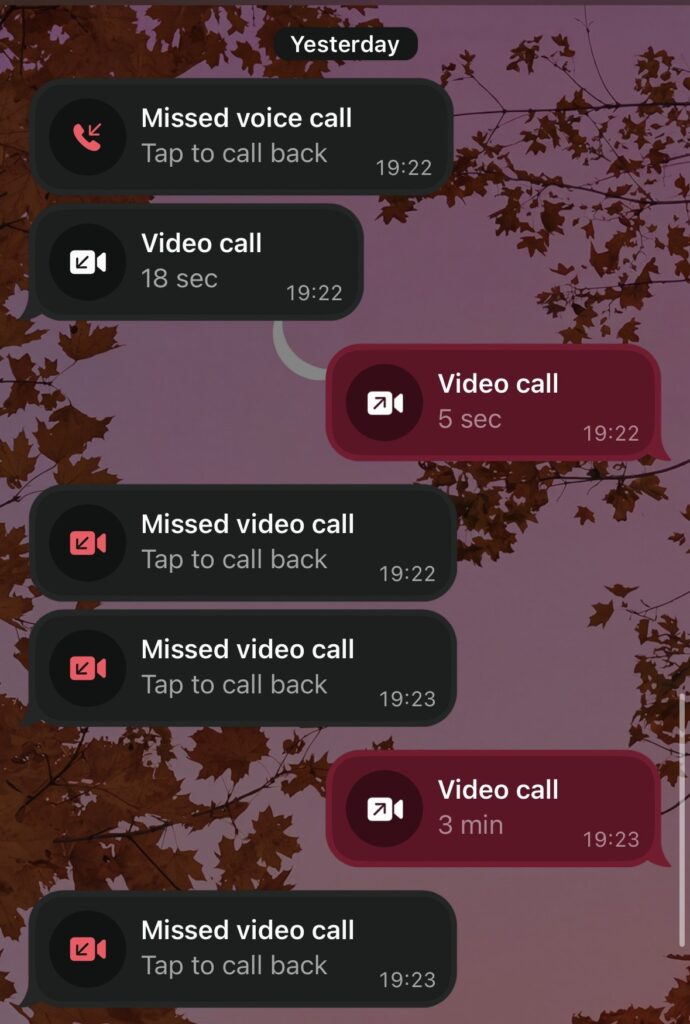
Every evening we video called, and every evening you hung up on me. You had to press every single button on the screen. Then I’d disappear, you’d be heartbroken, and the only thing that calmed you down was watching videos of me. The same screen that brought me to you could take me away with one tap. Technology has always been like that. What matters is who’s holding it.

Phone screenshot of a string of short and missed video calls home
The missed-call era
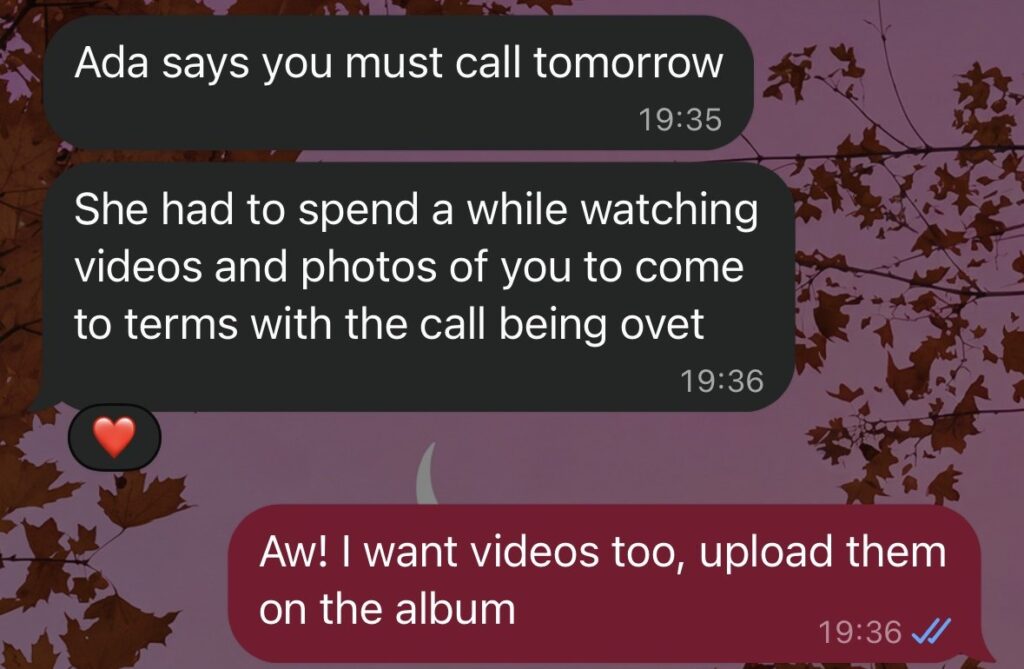
Text messages saying Ada watched videos of her mom after the call ended
Videos of mom, on repeat

Now you’re about to become a teenager in a very digital world. I’m hoping Dad has kept me honest and you’re not glued to a screen or scrolling social media much. If he hasn’t, we’ll talk. Either way, here’s what I learned on that trip, saved up for you.

Your Feed Is Not the World

We did an exercise called the bias detector scroll. We looked at the social media feeds of two teenage gamers, Max and Zoe, and spotted what the algorithm kept showing them: easy money, controversy, a narrow idea of who they could become. Then we asked the more important question: what was missing?

So whenever you scroll, ask yourself who made this, what it wants you to feel, and what you’re not seeing. Never let a feed decide how you see yourself or the world. You get to decide that.

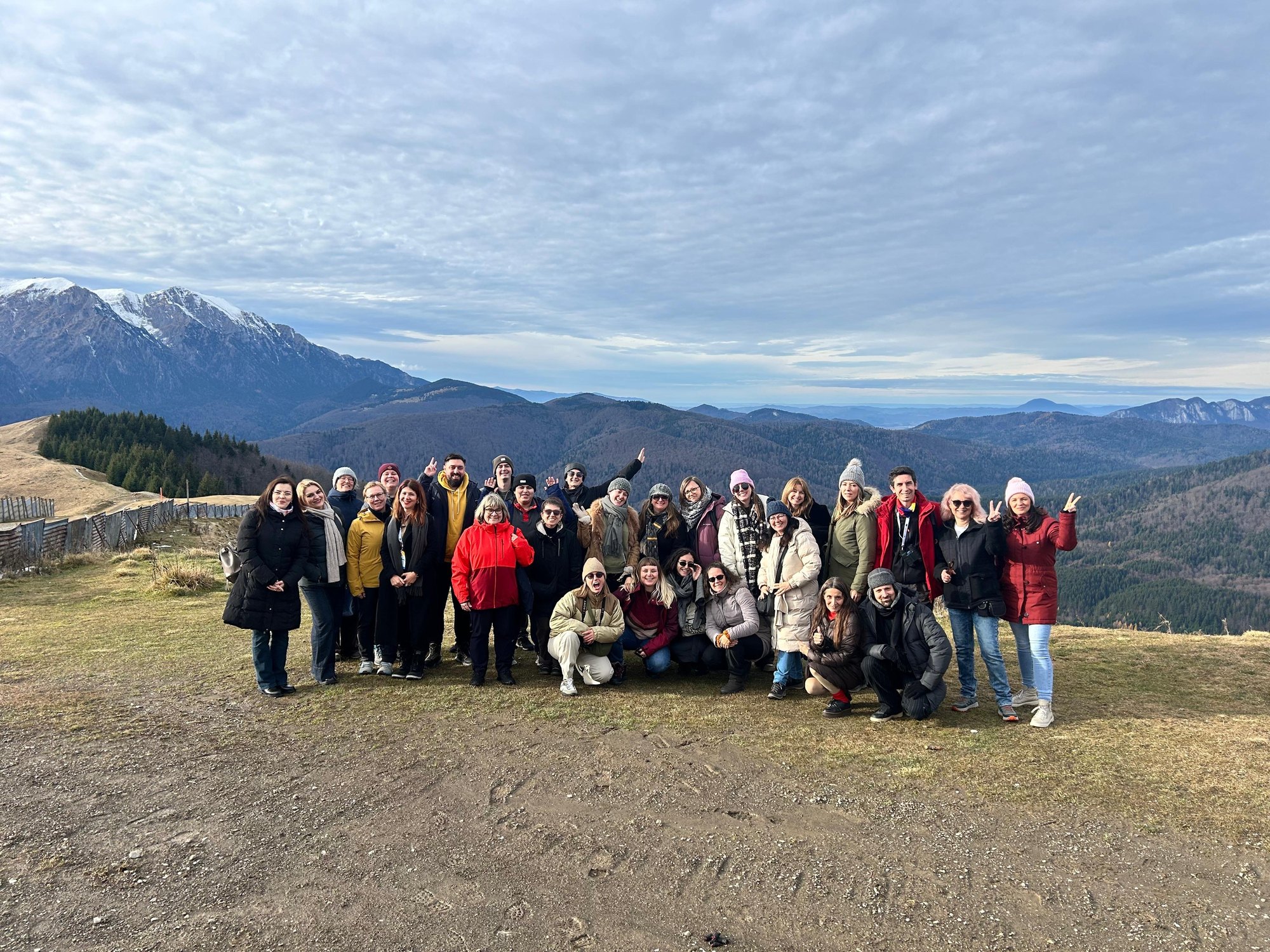
Group of youth workers posing on a mountain ridge above Azuga, Romania
Youth workers from across Europe, above Azuga

AI Might Feel Like Magic. People Are the Real Magic.

By the time you read this, AI will probably do things we can’t imagine yet. But the most magical moments of my week weren’t on a screen. They were a room full of strangers from across Europe becoming friends, and shy students at a local school who barely spoke in the first hour and wouldn’t stop asking us questions by the second.

As a little girl you were full of life. You’d walk up to anyone and make a friend. Hold on to that fearlessness. When technology tries to keep you on your own, it will be your superpower.

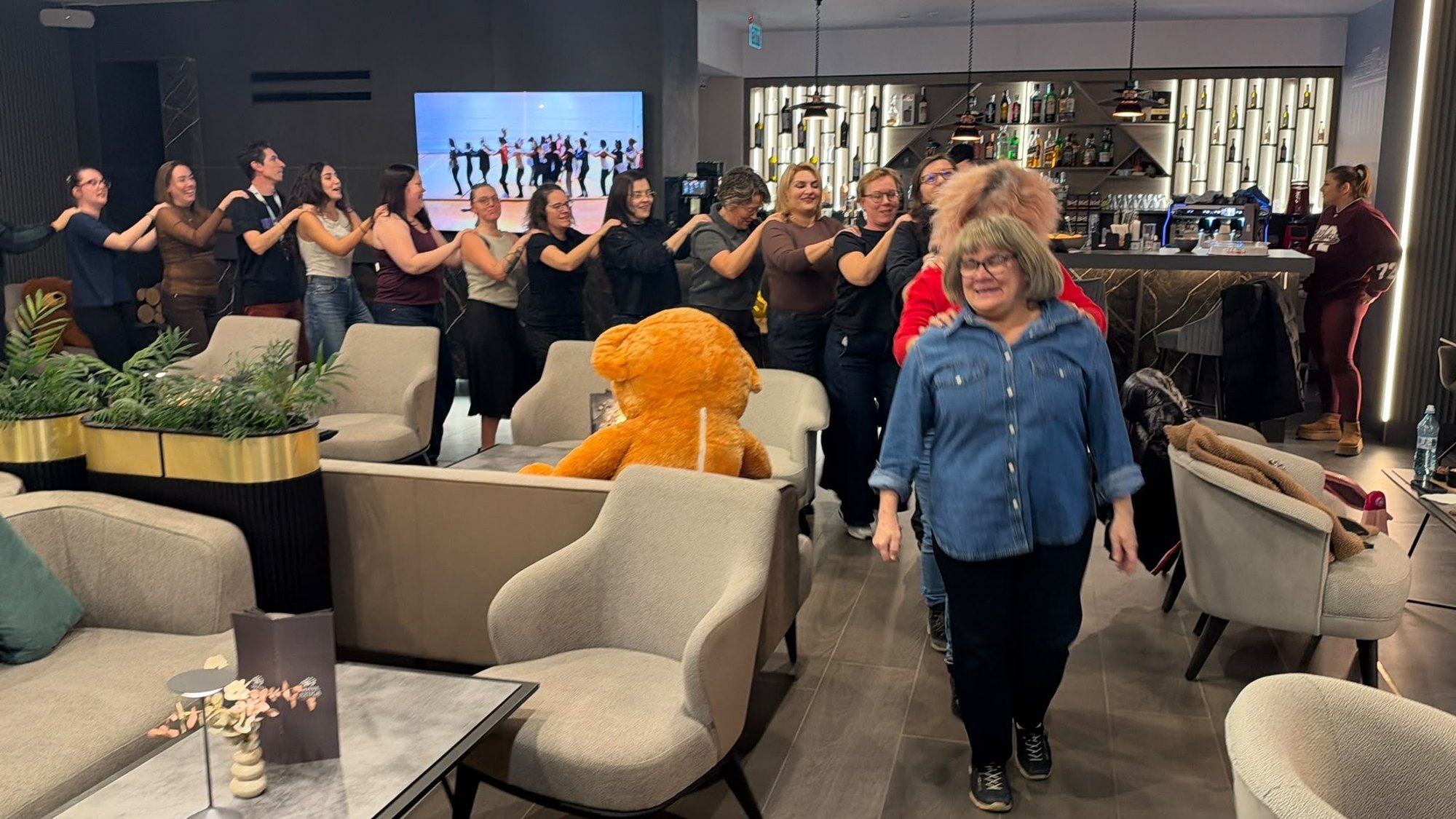
Participants doing a dance energiser during the AI Intersections Lab
Strangers on Sunday, friends by the first energiser

Dream It First, Then Build It

You’re named after Ada Lovelace, the first programmer. Almost 200 years ago, she imagined what machines could do before anyone had built one. That’s exactly what the futures lab asked of us. The future isn’t one road, it’s a cone: the possible, the probable, and the one we actually want.

Our group wrote a wildly optimistic headline for 2036, the year you turn 12: “Universal income for all.” Then we worked backwards. In our story, Max and Zoe joined a free bootcamp, got inspired by a movie and a game that let them simulate the future, and went on to shape the policy that made it happen. Two gamers with the right tools and a big dream. That could be you and your friends.

One evening my cofounders and I read the future a different way: we did tarot. The cards showed a future full of abundance, with obstacles to get through on the way. They also showed a present that is already happy and full. Some of us have had harder pasts than others, but we’ve all arrived somewhere peaceful, where possibility and happiness finally feel within reach. Whether it’s cards or a futures cone, I learned the same thing. Knowing where you want to go helps you get through the bumpy bits.

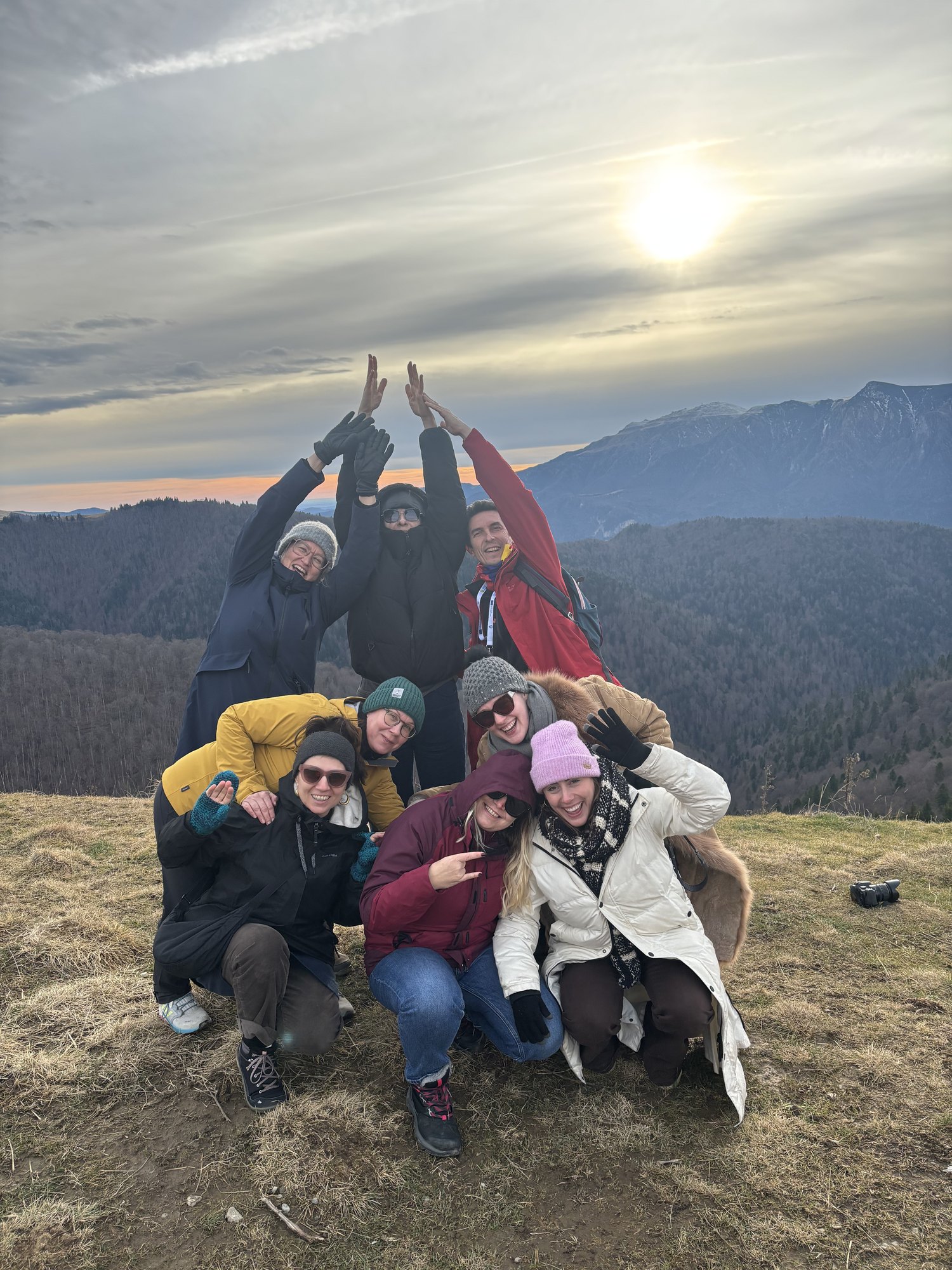
Group with arms raised at sunset on a mountain in Azuga
Dream first
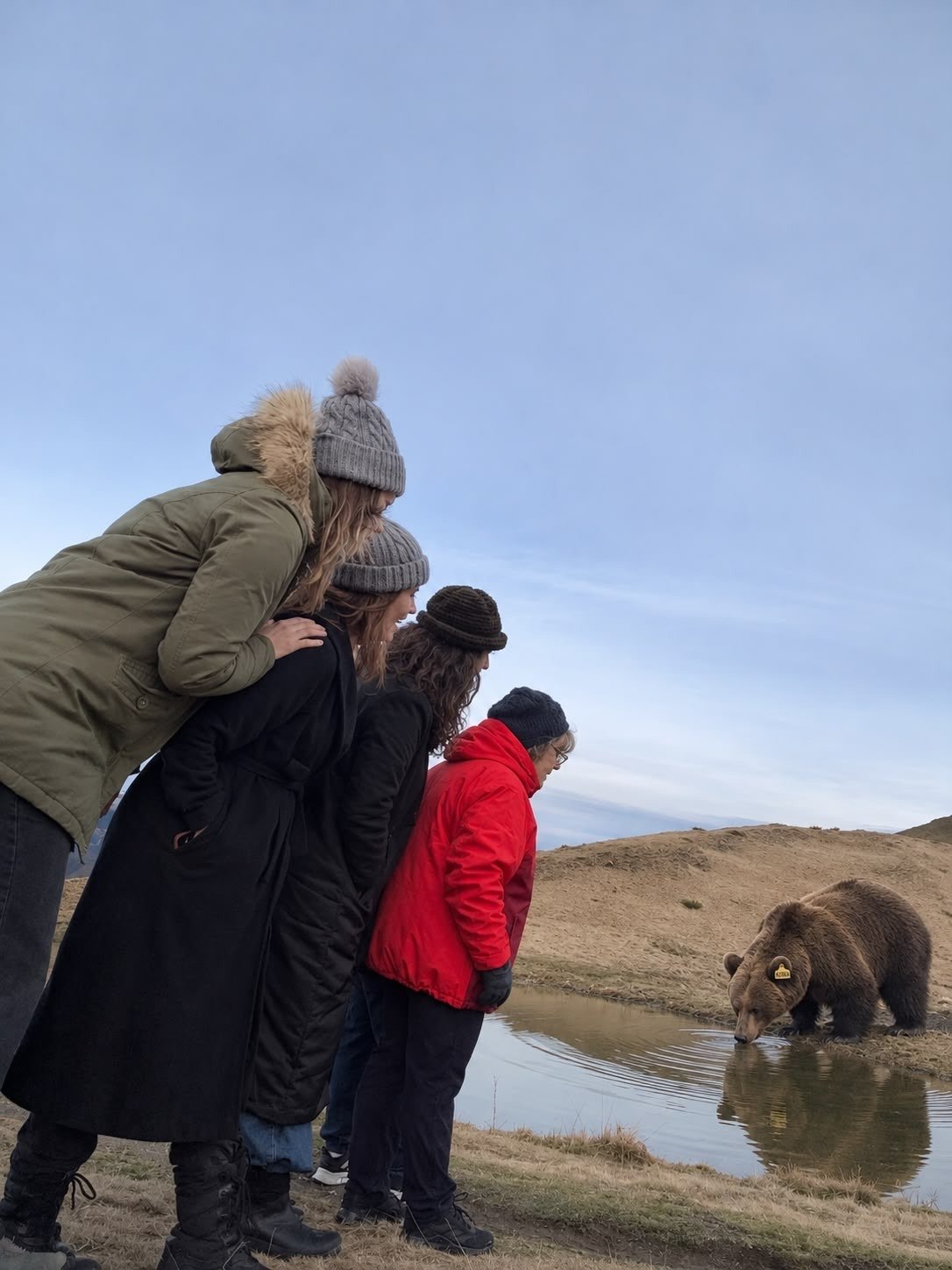
Training participants watching a brown bear drink from a pond in the Romanian mountains
Learning comes from everywhere, including the occasional bear (made with AI)

Keep Learning, Every Way You Can

Take time to reflect. Learn, then experiment, and don’t be scared to get it wrong. Learning comes from within you and from the people around you, from books and from mistakes, from mountains and from school visits. There are so many ways to learn. Try them all.

So dream first, like your namesake did. Then go press the buttons that bring people closer.

And call your mom. Try not to hang up this time.

Love,
Mom

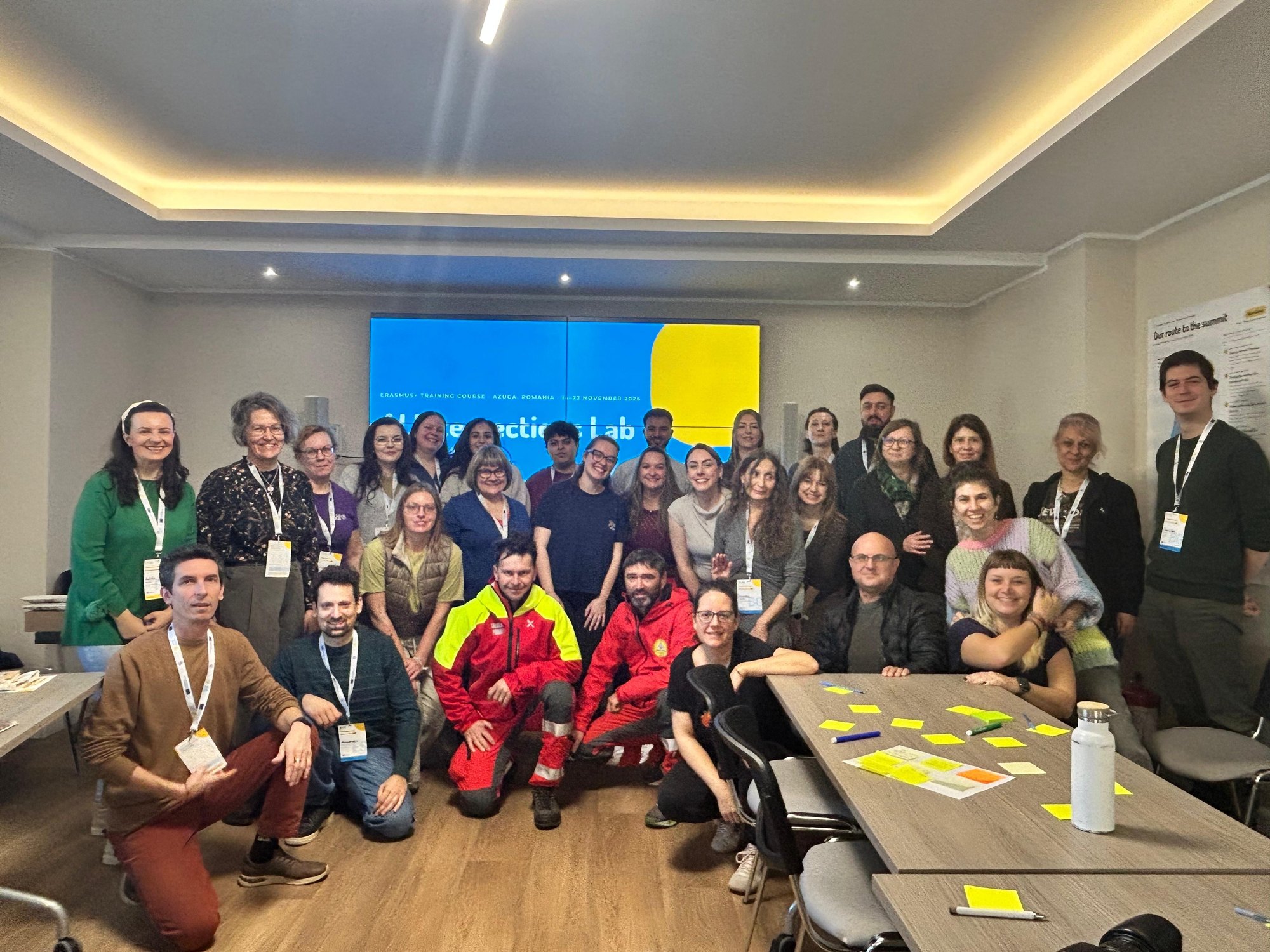
Participants of the Erasmus+ AI Intersections Lab training course in Azuga
The AI Intersections Lab, Azuga, November 2026

Help Build the Future Ada Will Grow Up In

What I learned in Azuga is going straight into AI4ALL’s youth programming: more doing, less lecturing, and room for young people to dream big and work backwards from it. See how we’re helping young people shape the future they want, or join one of our upcoming Meetups and Masterclasses and the Mentor Program.

logo of asociatia young initiative
Co-funded by the European Union

Oliviana’s participation in the AI Intersections Lab was co-funded by the European Union through the Erasmus+ programme. Views and opinions expressed are however those of the author only and do not necessarily reflect those of the European Union or the granting authority. Neither the European Union nor the granting authority can be held responsible for them.