Elena Miliaeva joined AI4ALL as a volunteer in early 2025. Today she’s our Growth Lead and a Growth Marketer at HULO.ai. Here’s how volunteering led her to her dream job.
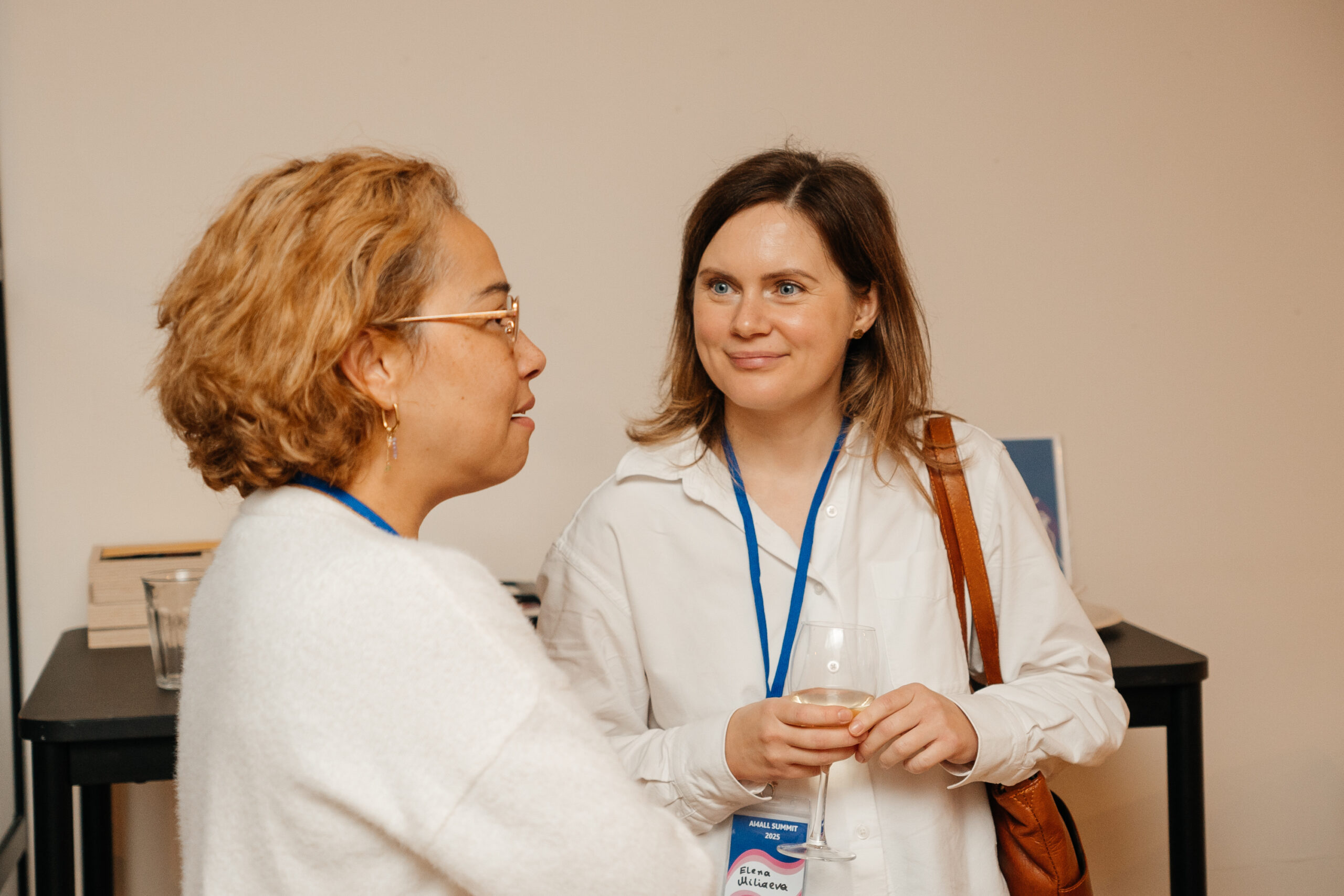
Elena Miliaeva joined AI4ALL as a volunteer in early 2025. Today she’s our Growth Lead and a Growth Marketer at HULO.ai. Here’s how volunteering led her to her dream job.
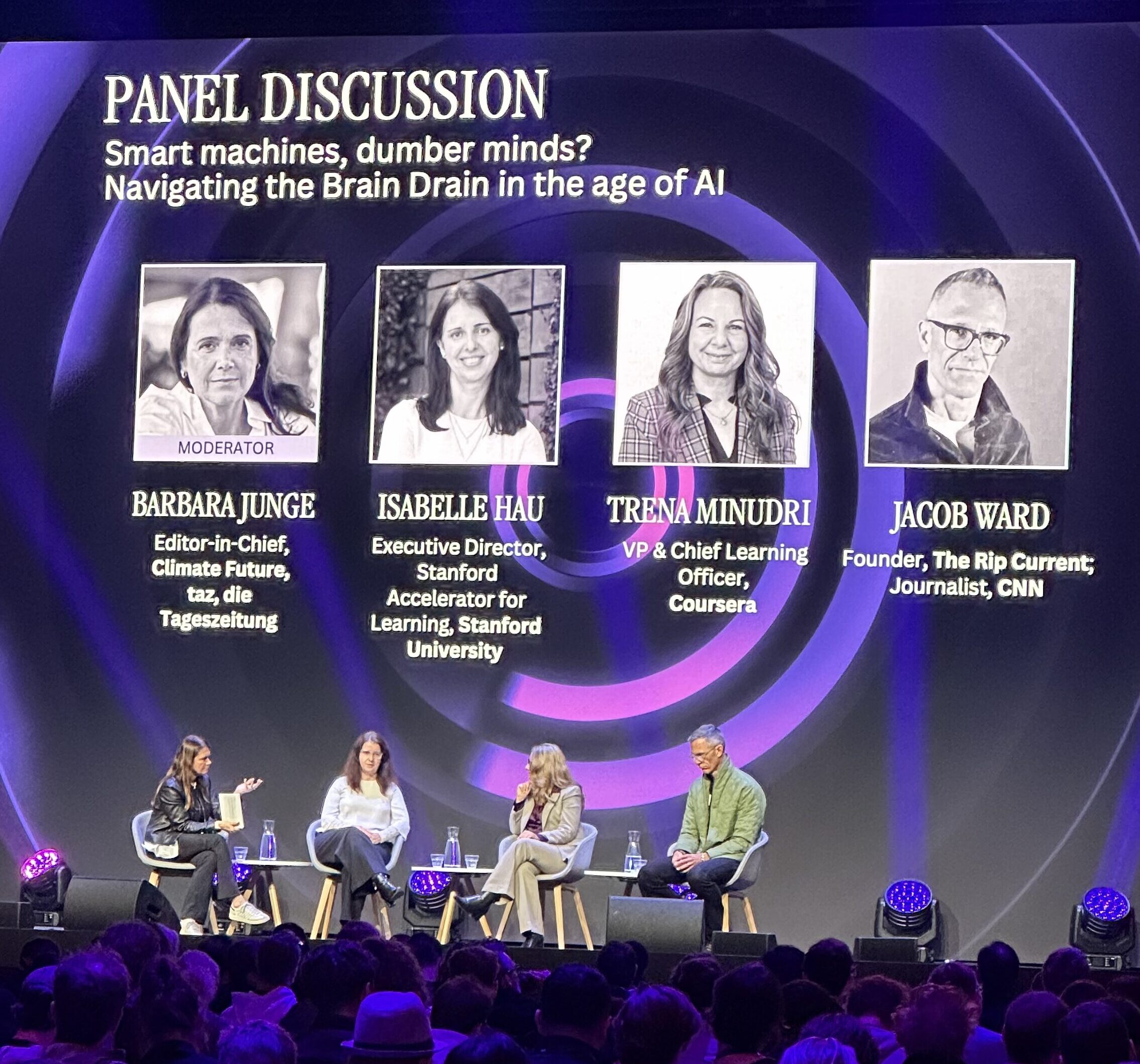
AI is advancing quickly, but understanding what that progress means for people is just as important as understanding the technology itself. At World Summit AI 2026, discussions ranged from new applications of AI in medicine to questions about human learning, oversight, and the practical skills needed to use AI effectively.
AI is everywhere, but understanding the language around it can feel like a whole different skill. From generative AI and LLMs to prompts and hallucinations, here are five essential AI terms explained.
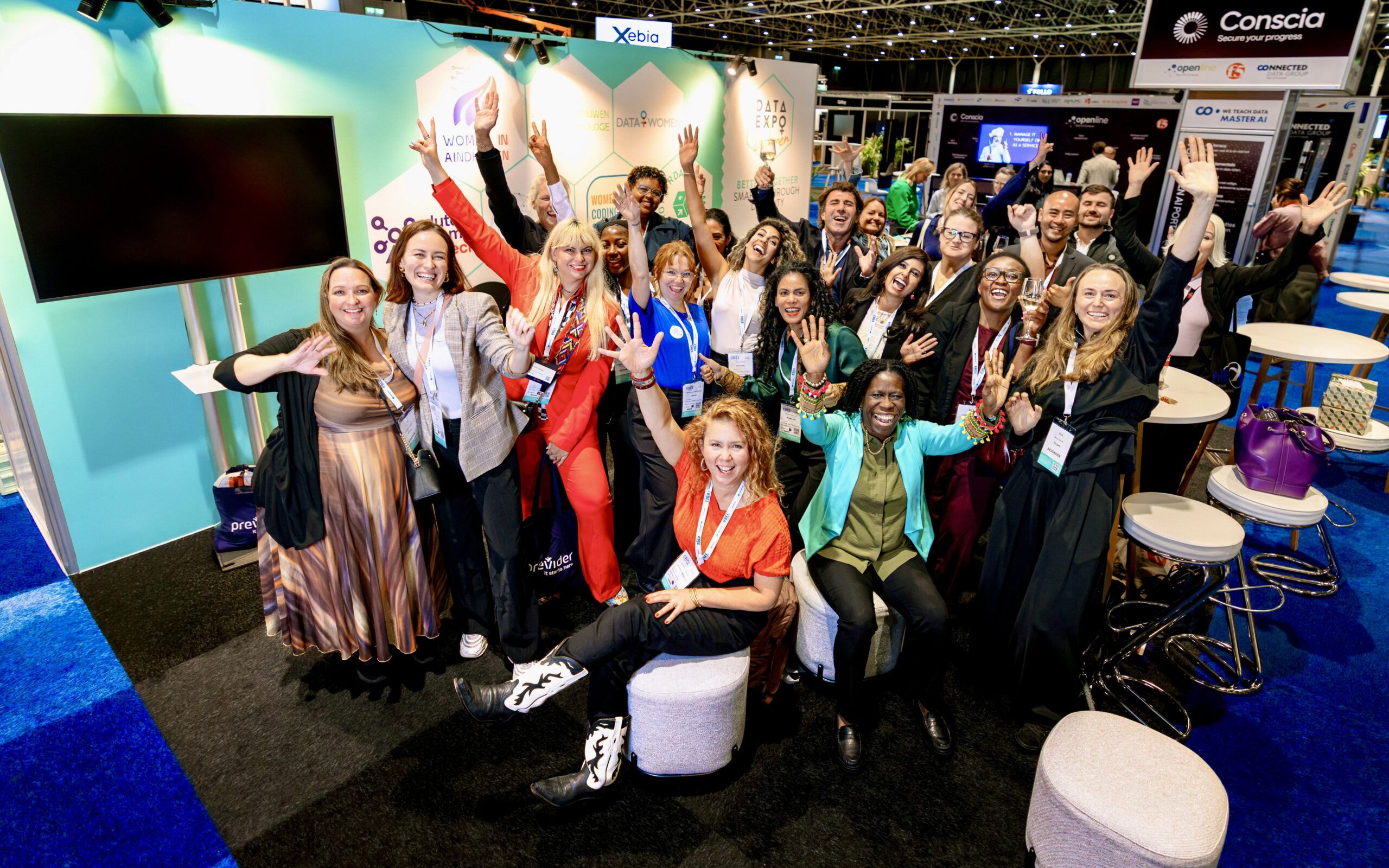
Three AI4ALL voices took the stage at Women@Data Expo, bringing perspectives on women’s health, AI-ready workflows, and what it really takes to build AI agents. Three different talks, connected by one idea: when a solution doesn’t exist, sometimes you have to build it yourself.
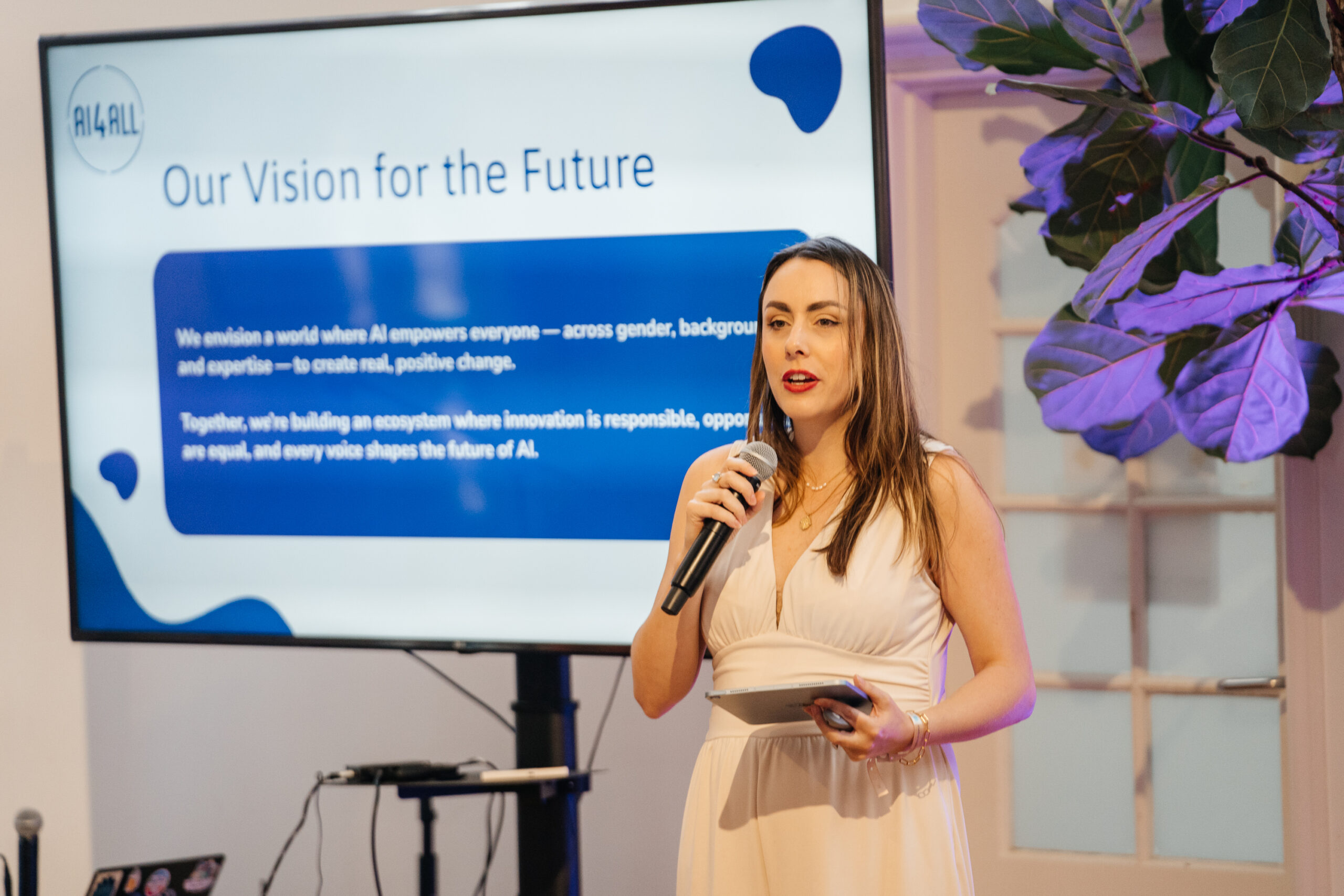
Oliviana Bailey once saw herself as an “AI outsider.” Today, she’s the co-founder of AI4ALL and builds AI workflows to make work and everyday life easier. We spoke with her about finding your place in AI and becoming a builder in your own way.
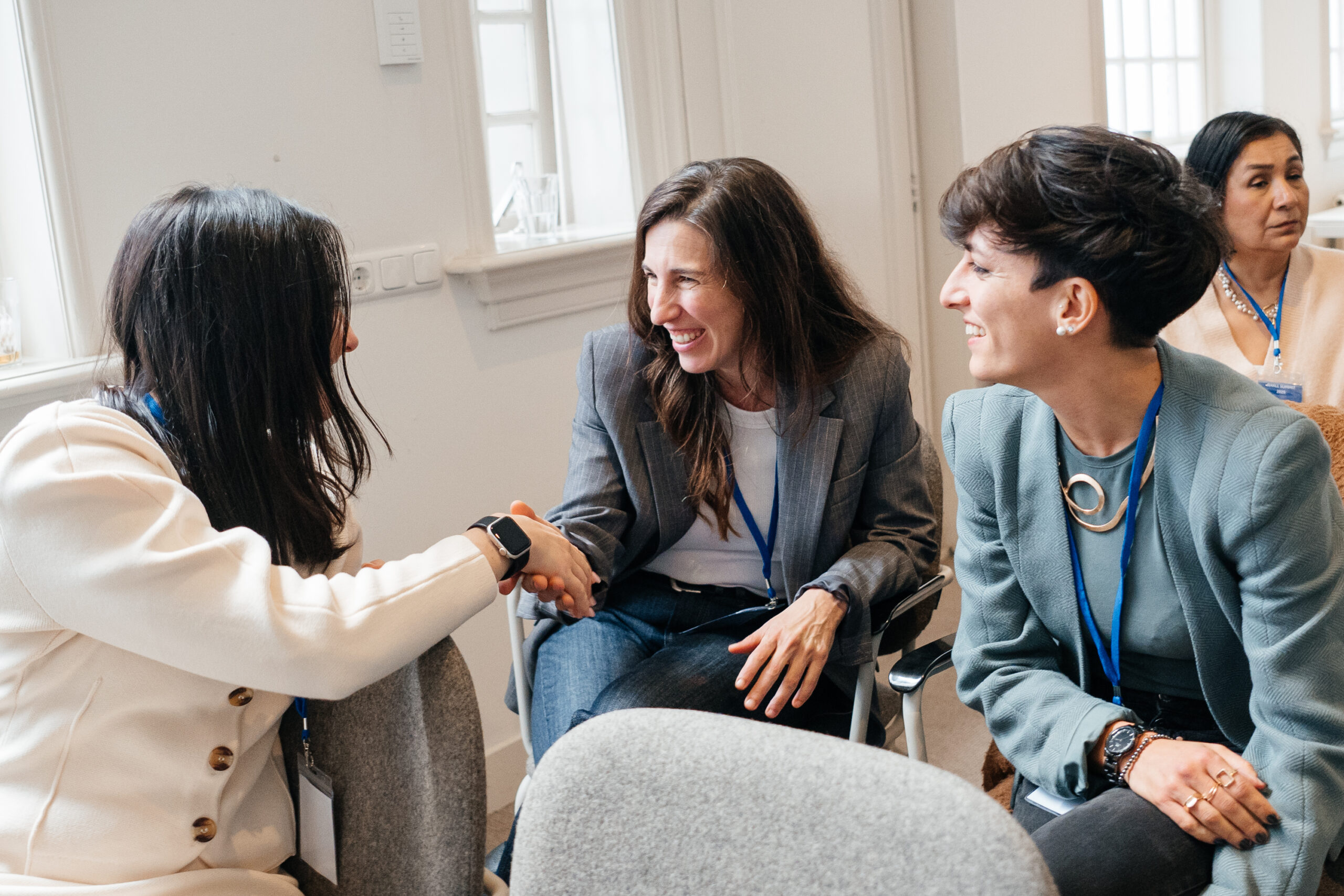
Stefanie Taylor, AI4ALL Mentor and current Mentor Program Lead, and Irina Musuc, AI4ALL Mentor, on how a strengths-based approach helps women in tech recognize their potential and step into leadership.
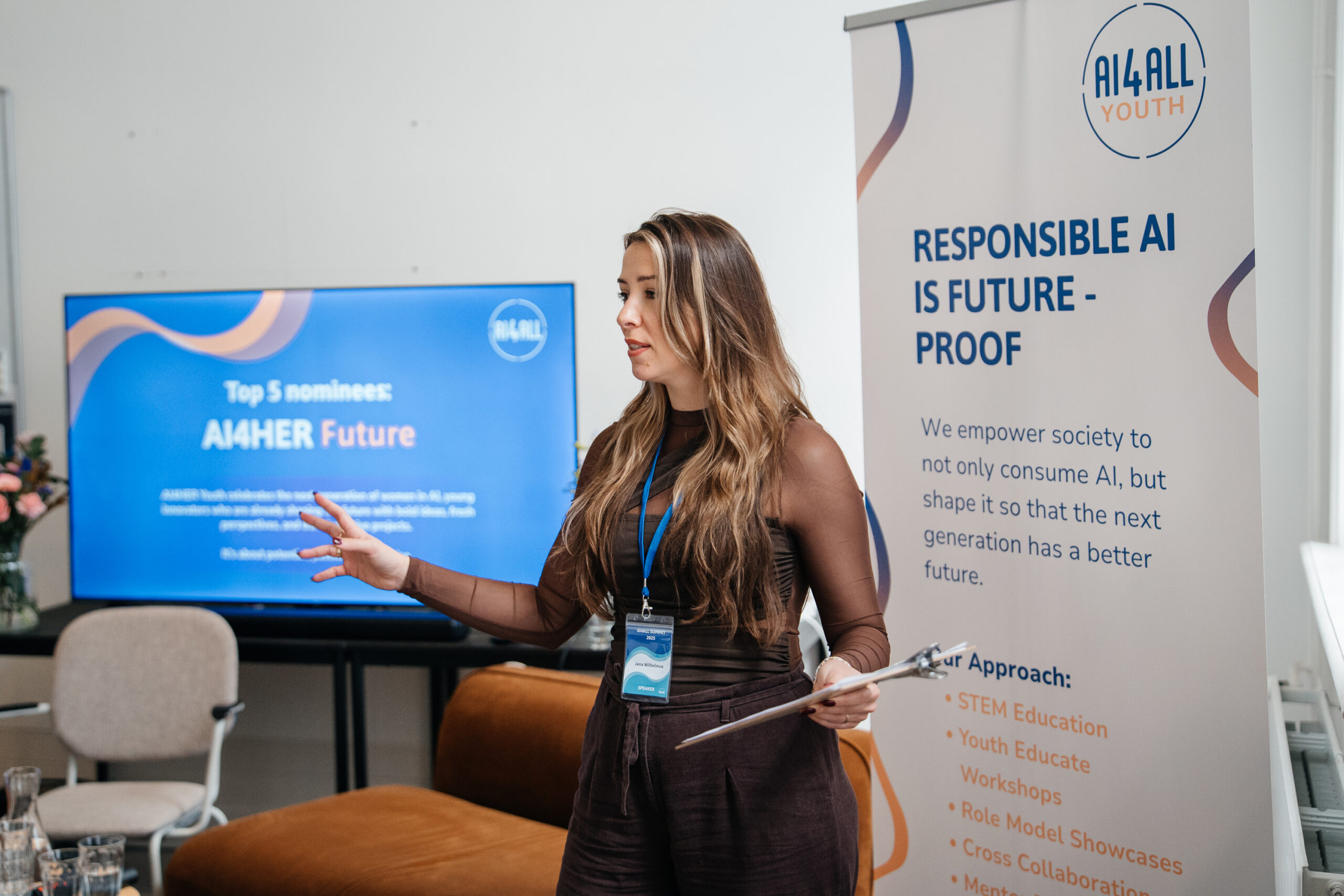
Jana Wilhelmus is a fractional CMO, a TikTok creator with 43,000 followers, AI4ALL co-founder, and a mother of two — and she runs all of it with Claude doing the busywork in the background. But ask her where AI’s role ends, and she’s clear: it suggests, it never decides. Ahead of her September 2 AI Marketing workshop, she talks through where the line actually sits.
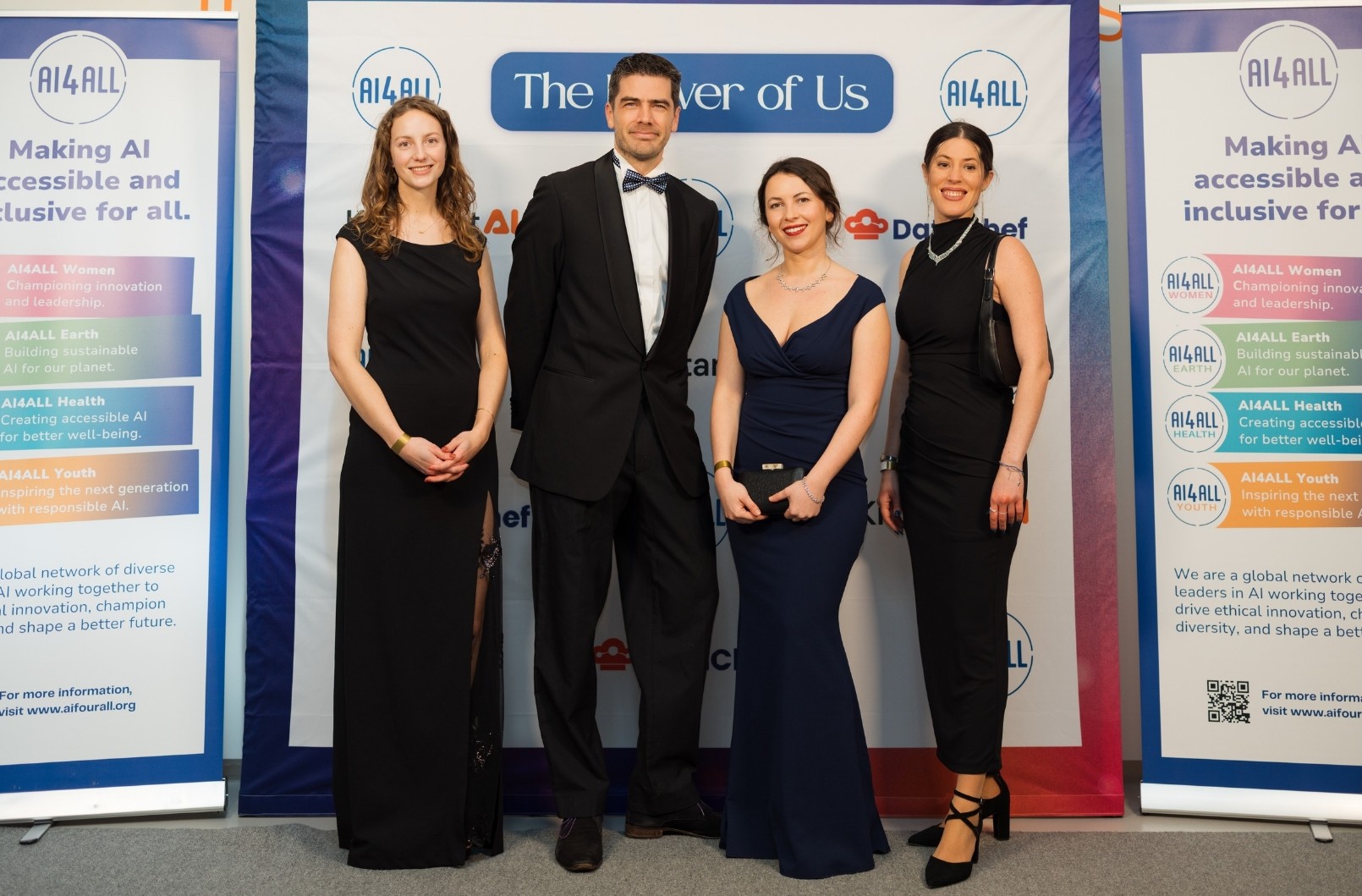
“You really have to go the other way around. So, start with the practitioner, start with the nurse, with the doctor, and then really understand their pain points”, says Anouk Wolters, AI Project Lead at KickstartAI. In this interview, Anouk explains how her team’s wound-reporting project with LUMC started not with an algorithm, but with the nurses who’d actually use it, and what that meant for how the tool was built.
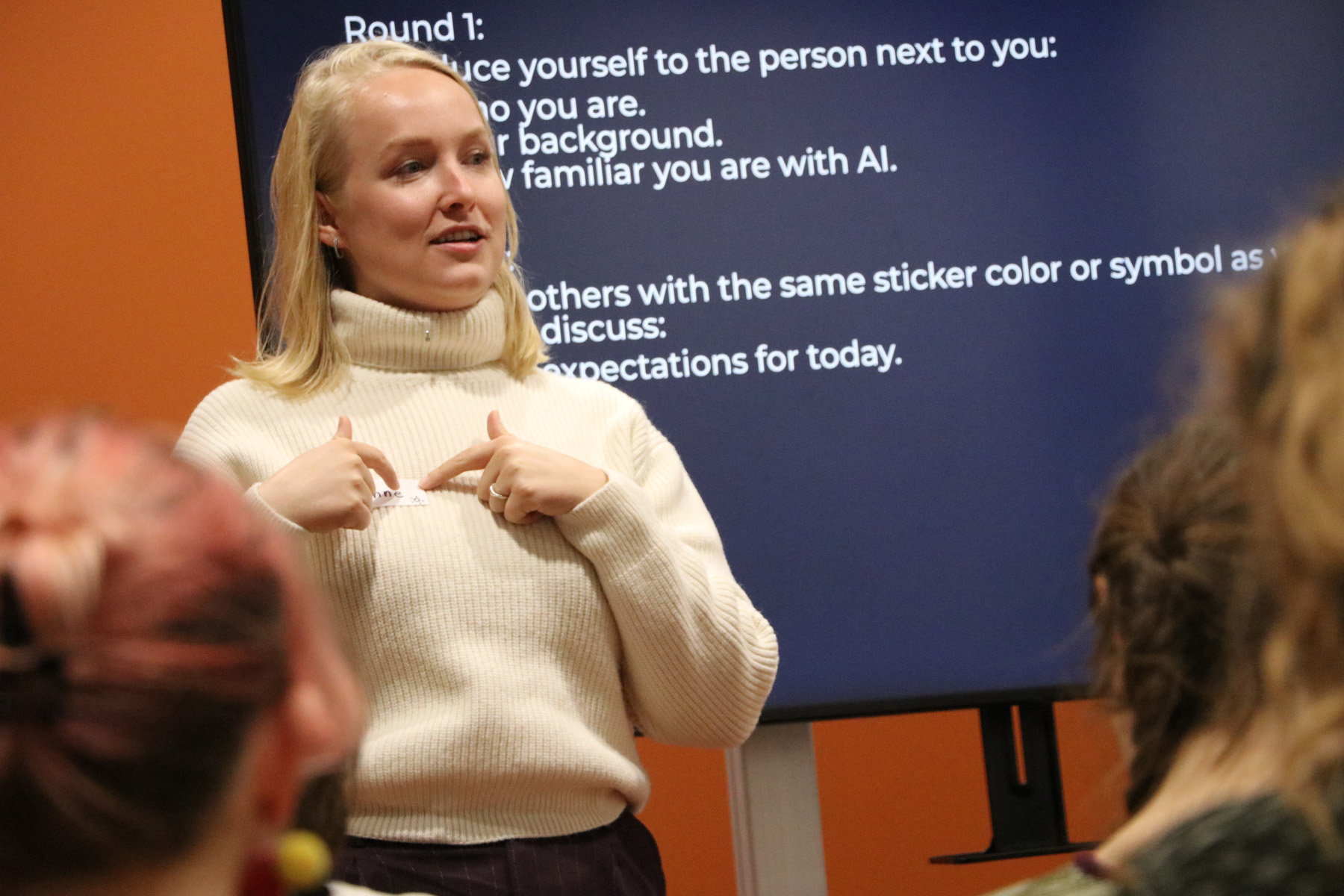
As soon as you open your LinkedIn, you’re presented with the equivalent of technological Hunger Games. While mastering the craft of AI literacy certainly belongs on the list of hot (and by all means, necessary) skills, this thirst for knowledge can easily cloud one’s vision about what’s important. You need to know how to think, how to raise questions and push back, how to connect the dots across domains, and how to position the technologies you use within the broader systems they operate in. If you’re not sure what skills actually matter and where to put your focus, this list might help you to find the right direction.
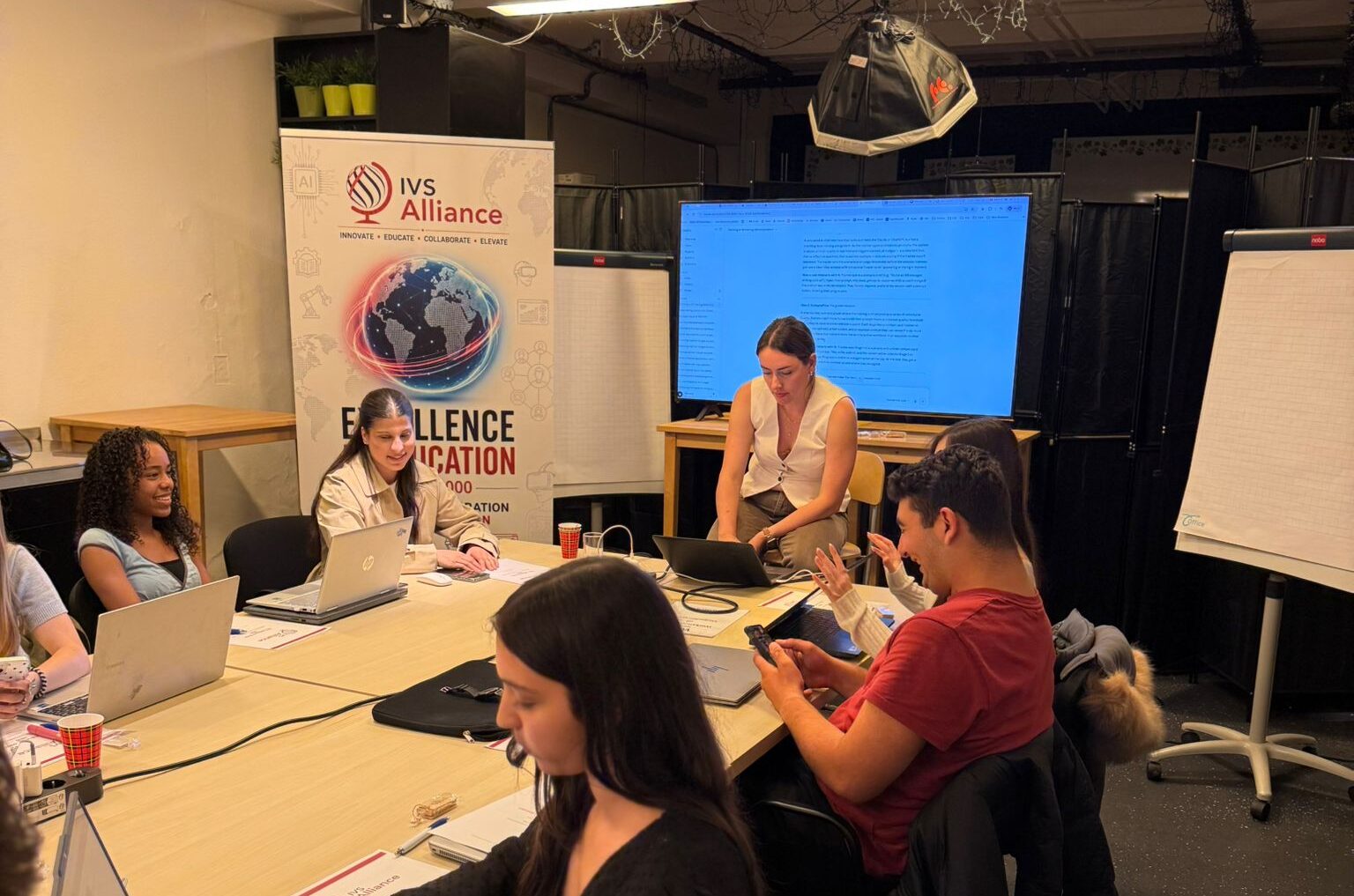
Prompting is easily the buzzword of our time. LinkedIn is flooded with the formulas, the techniques “you’ll ever need” and everyone seems to have cracked some secret code. But, if you haven’t needed AI until now, or somehow managed to hide yourself from it, asking what prompting actually is can feel awkward.
Do not worry! You haven’t missed the boat, and getting good at it is easier than it looks.